Sintered Silicon Carbide (SSiC) exhibits exceptional thermal shock resistance due to its unique combination of high thermal conductivity and an extremely low coefficient of thermal expansion (CTE). In high-temperature and rapidly changing thermal environments, these properties work together to minimize internal stresses that typically lead to cracking or material failure.
The high thermal conductivity of SSiC allows heat to be distributed quickly and uniformly throughout the component. This rapid heat dissipation prevents localized hot spots and steep temperature gradients, which are the primary causes of thermal stress in conventional ceramic materials. As a result, SSiC components maintain structural integrity even during sudden heating or cooling cycles.
Equally important is SSiC’s low thermal expansion coefficient, which ensures minimal dimensional change when exposed to temperature fluctuations. Unlike materials that expand or contract significantly under thermal stress, SSiC remains dimensionally stable, reducing internal tensile and compressive stresses that can cause micro-cracks or catastrophic failure.
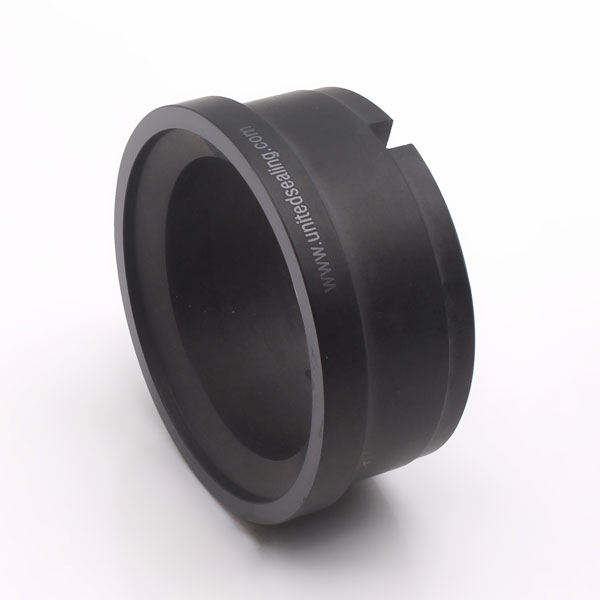
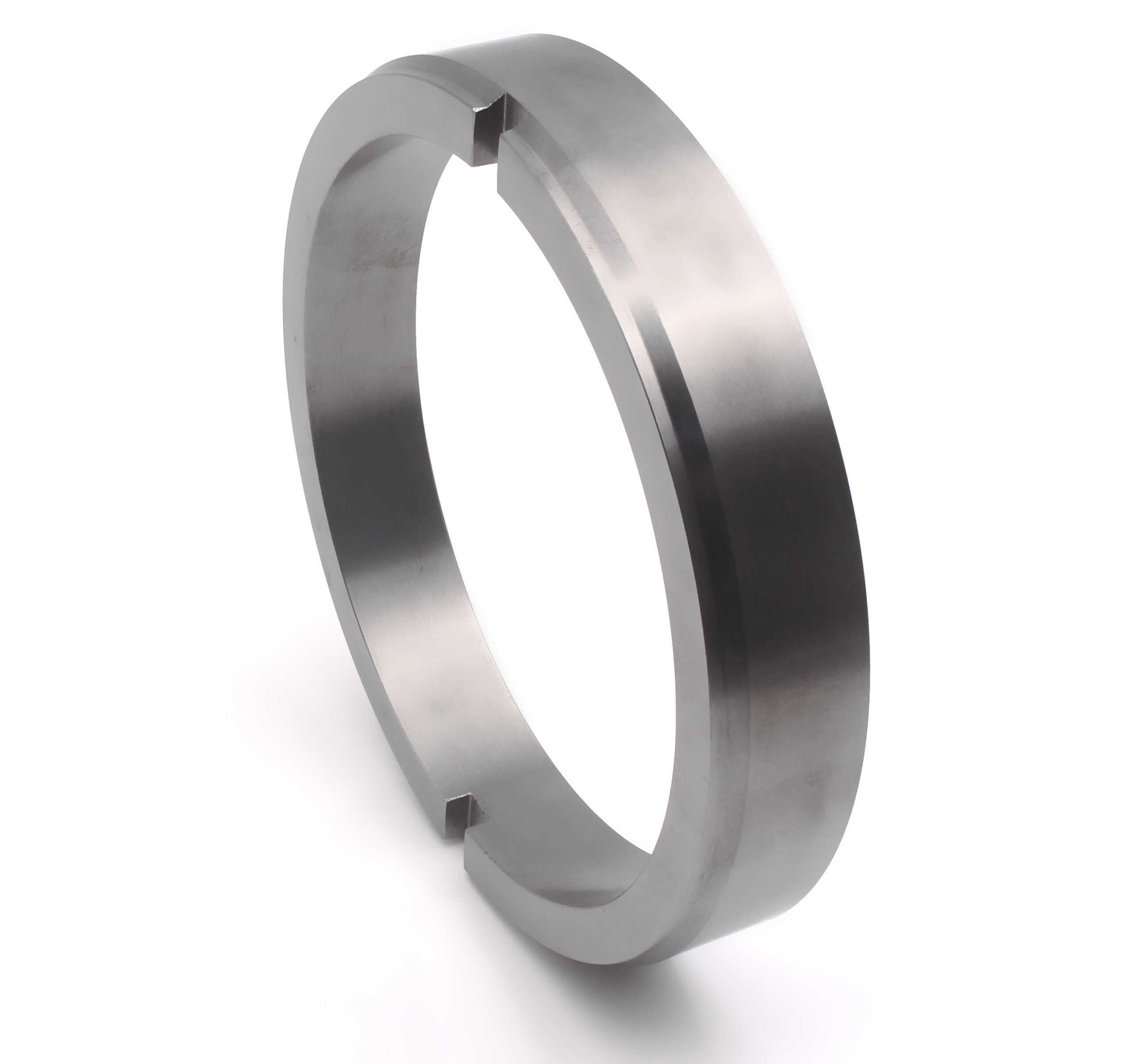
When combined, these properties enable SSiC to withstand extreme thermal cycling, making it an ideal material for high-temperature industrial applications such as mechanical seals, heat exchangers, furnace components, semiconductor processing equipment, and chemical processing systems. Its ability to resist thermal shock not only enhances operational reliability but also extends component service life and reduces maintenance costs.